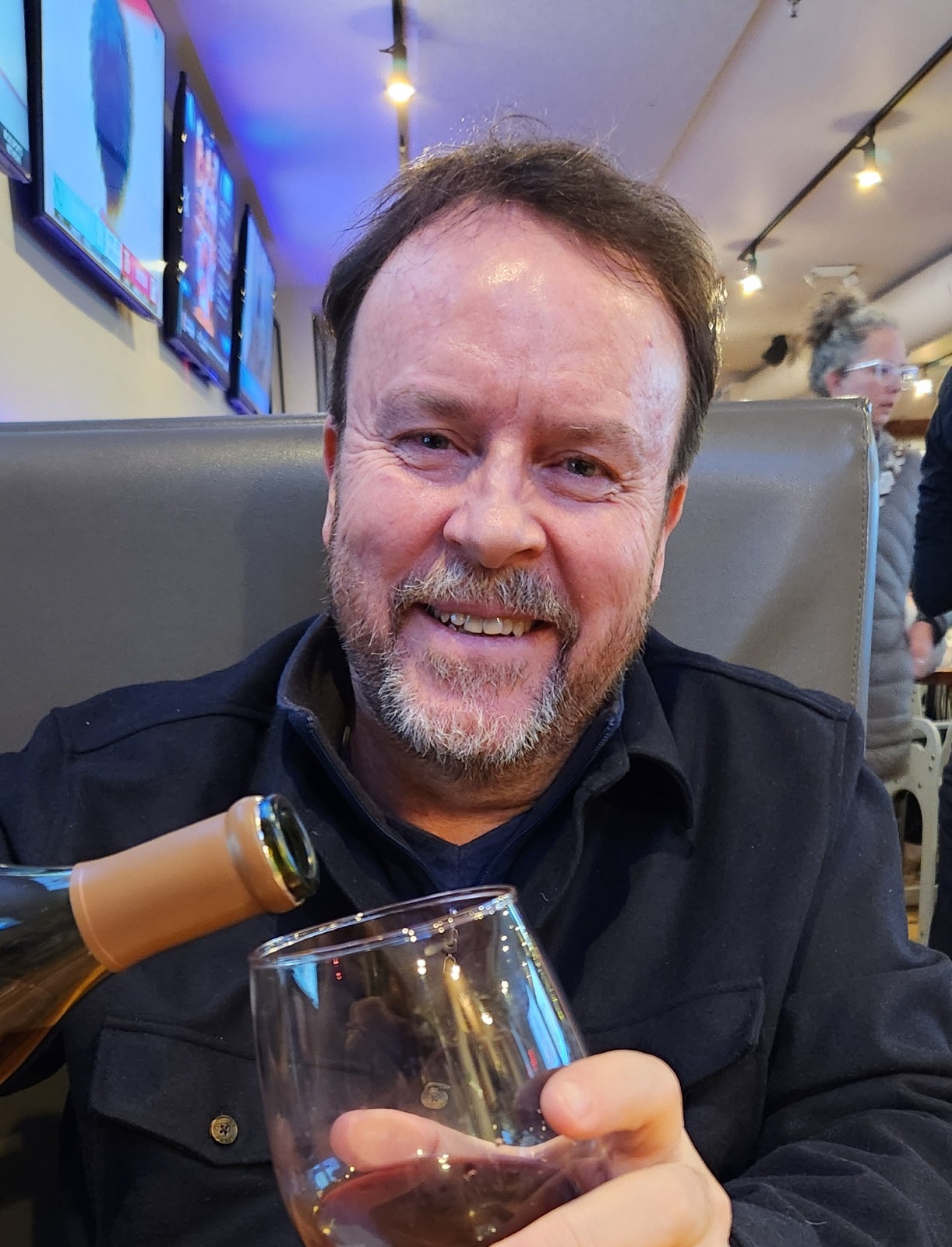
From a childhood across continents to a global career in food safety, Campbell Mitchell reflects on resilience, opportunity, and the value of human connection.
Campbell Mitchell
Leburn House
Class of 1986
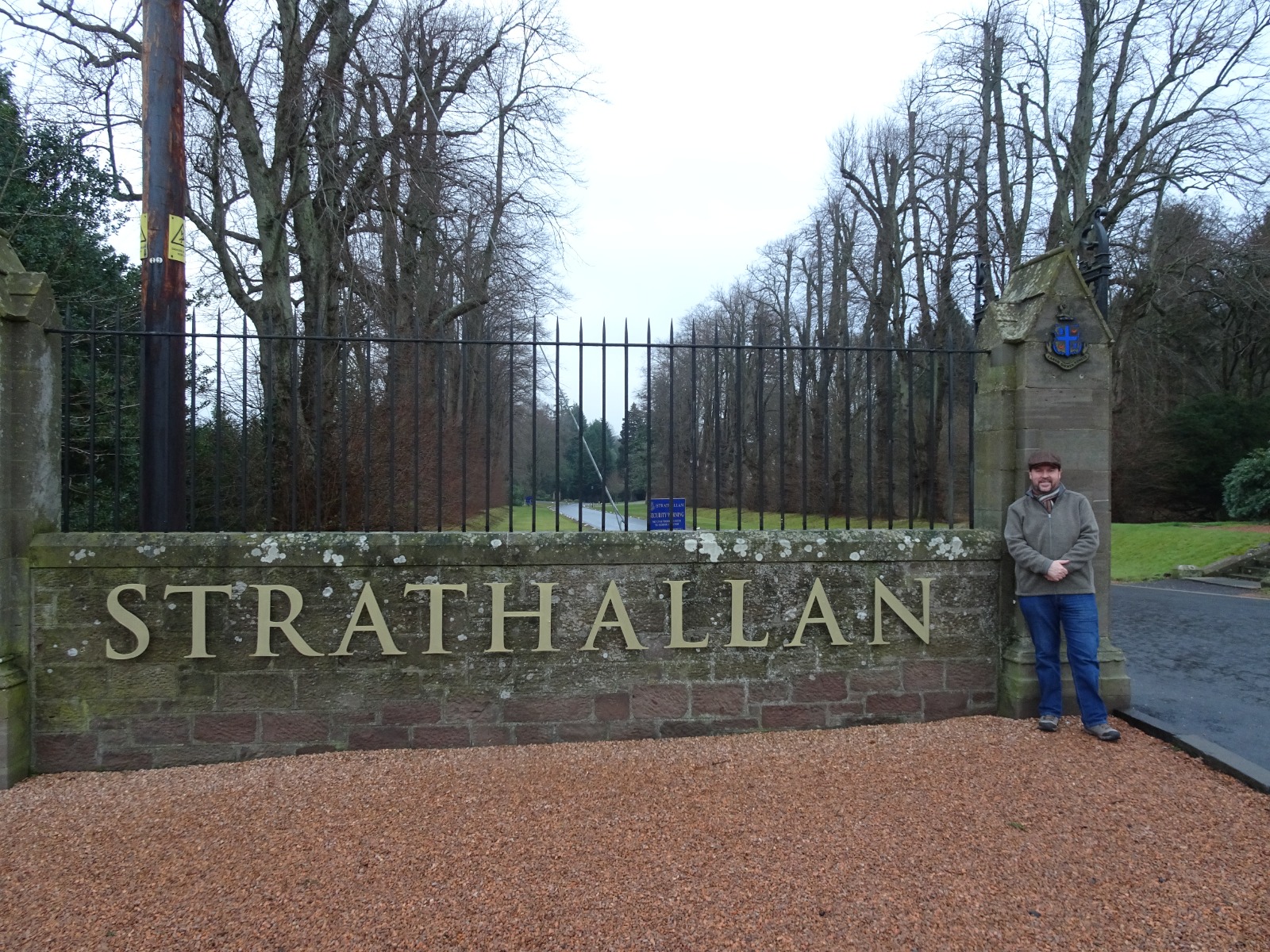
When did you attend Strathallan and was it your first experience of living internationally?
I was at Strathallan from 1983 to 1986, in Leburn House. I'm originally from New Zealand, but my upbringing was very international. My Dad worked for Shell, so by the time I was 15, I'd lived in 15 different houses—Singapore, Brunei, the Netherlands, the US, and more.
At one point, I remember realising that everything around me kept changing—places, people, languages—but the only constant was myself. That was quite a grounding thought at that age, and in many ways, it shaped how I approached the world.
And what are you doing now?
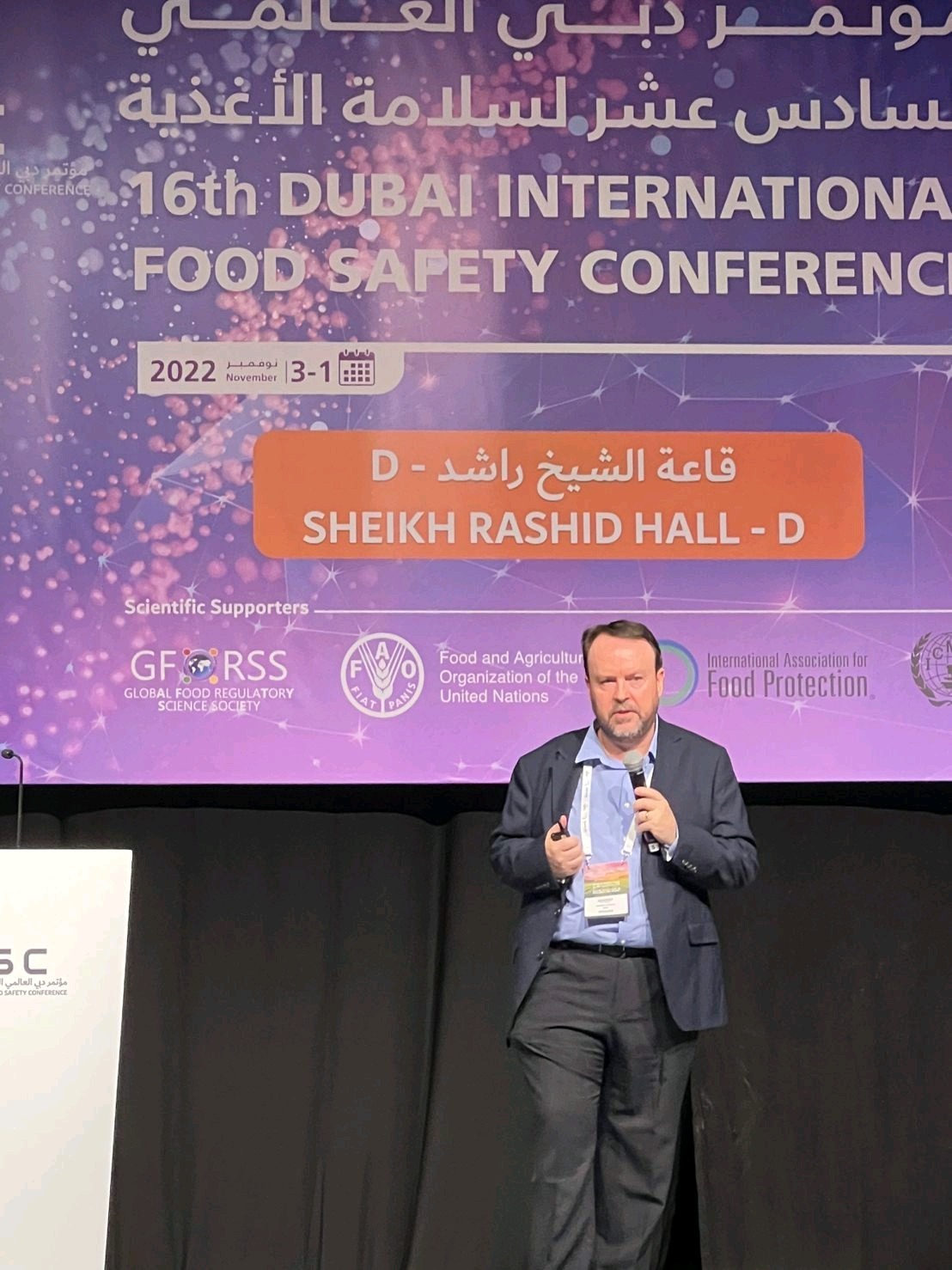
I've spent my career in the global food industry, specialising in food safety and quality at a senior level. Most recently, I was Head of Food Safety and Compliance at Kraft Heinz in the US, and I am currently exploring my next opportunity.
Before that, I worked across the Middle East, Africa, and Australasia—everything from dairy production in Saudi Arabia, where we managed enormous operations in the desert, to roles with major global companies like Nestlé and Kerry.
It's been a career that's taken me around the world—and one that's always been driven by a clear purpose: ensuring safe, nutritious food for people.
What first drew you into this career path?
It wasn't a grand, carefully planned decision—it was more organic.
I initially started out studying pre-med, but eventually moved into microbiology after being told it offered strong career prospects. From there, one opportunity led to another—working in food production, then manufacturing, and eventually into global leadership roles.
Looking back, it wasn't a straight line. But that's often how meaningful careers unfold—you follow opportunities, stay curious, and keep moving forward.
How important has adaptability been in your journey?
It's been everything.
Because I moved so much as a child, I became used to change very early. That ability to adapt—to new cultures, environments, and challenges—has been invaluable throughout my career.
When I moved to Saudi Arabia, for example, it was a huge cultural shift. But those experiences, particularly boarding school at Strathallan, had already given me independence, resilience, and the confidence to step into the unknown.
That willingness to take on new environments has opened doors again and again.
Have setbacks played a role in shaping your path?
Absolutely. Redundancy has happened to me more than once, and it's becoming increasingly common.
But I see it differently now. It's not an ending—it's a transition. One door closes, another opens.
You have to roll with it, trust the process, and recognise that these moments often lead to something better. It's a mindset shift—from seeing setbacks as failures to seeing them as opportunities.
What were your strongest memories of Strathallan?
What stands out most is the sheer range of opportunities.
I was heavily involved in kayaking, which I absolutely loved, and also played in the pipe band. Those experiences gave a sense of belonging and purpose, and they really enriched my time there.
Strathallan allowed you to try things—lots of things. It encouraged curiosity, exploration, and stepping outside your comfort zone. That's something that has stayed with me ever since.
How did Strathallan influence you as a person?
One of the biggest things was structure.
After a childhood of constant movement and change, the routine of boarding school gave me stability. There was a rhythm to each day, and that consistency was incredibly valuable.
At the same time, the environment pushed you to try new things and challenge yourself. That combination—structure and opportunity—helped build both confidence and independence.
Was there someone at school who had a particular influence on you?
My housemaster at Leburn House, Colin Addison, stands out, along with a few teachers involved in activities like kayaking.
More than any single person, though, it was the collective environment—teachers who encouraged you, activities that pulled you in, and friendships that supported you—that made the difference.
Looking back, what do you think made the biggest difference to your success?
Having faith that things will work out.
There's a quote from Kipling— "If you can meet with Triumph and Disaster and treat those two impostors just the same…"—and that really resonates. Life will throw both at you, but neither defines you permanently.
If you can stay balanced, stay grounded, and keep moving forward, you'll find your way.
What advice would you give to current Strathallan students?
You probably don't realise how much potential you have—that's the biggest thing.
When you're young, the future can feel uncertain, but you're actually in a hugely powerful position. So make the most of it. Take opportunities, don't overthink things, and don't be afraid to try.
And importantly—don't compare yourself to others. Focus on being better than you were yesterday. That's what truly matters.
What skills do you think are most important today?
Emotional intelligence and the ability to collaborate.
We live in a world that's increasingly digital, but at its core, everything still comes down to human interaction—conversations, relationships, trust.
Being genuine, being able to connect with people, and understanding others—those are skills that will always matter, no matter how much technology changes.
How can students make the most of their time at school?
Take advantage of everything.
There are so many opportunities available—academically, socially, creatively—and it's easy to overlook just how special that is at the time.
Throw yourself into it. Try things. Say yes more often. And most importantly, enjoy it.
You only get that time once.
What does success mean to you now?
It's changed a lot.
When I was younger, success was about money and status. Now, it's about experiences, fulfilment, and making a positive impact.
Travel, for example, brings value before, during, and after the experience—it stays with you. The same is true for meaningful work.
For me, success is about doing something that matters—helping provide safe, nutritious food—and feeling satisfied with the life you're building.
If you could give your younger self one piece of advice, what would it be?
Enjoy the moment.
Life won't turn out exactly how you plan—but that's okay. In fact, it's often better than anything you could have planned.
So stay open, stay curious, and trust that things will work out.
If you would like to be involved with our Alumni Spotlight and share your story, please get in touch via the email below:
connect@strathallan.co.uk
|