Alumni Spotlight - Fraser Rawlinson
Tuesday, 20 October 2026

From Strathallan's playing fields to elite military service and a global career in technology, Fraser Rawlinson reflects on resilience, purpose, and what really matters in life.


Fraser Rawlinson
Nicol House
Class of 2008

What are you doing now, and what does your day-to-day look like? 

I now work for a technology company specialising in mesh radio systems used by military, police and public safety organisations. My role is as an international field service representative, so I spend a lot of time travelling—integrating systems, running demonstrations, supporting clients, and showcasing what the technology can do. No two days are the same, which is what I enjoy most. I'm away a lot—probably around 70% of the time—but it gives me the chance to work across different countries and environments. I've recently been in Paris, and I've got trips coming up to Poland, London, Germany and Portugal. It's a real mix of technical work, people interaction and problem-solving.

Before this, you served in the military, what was that experience like? 

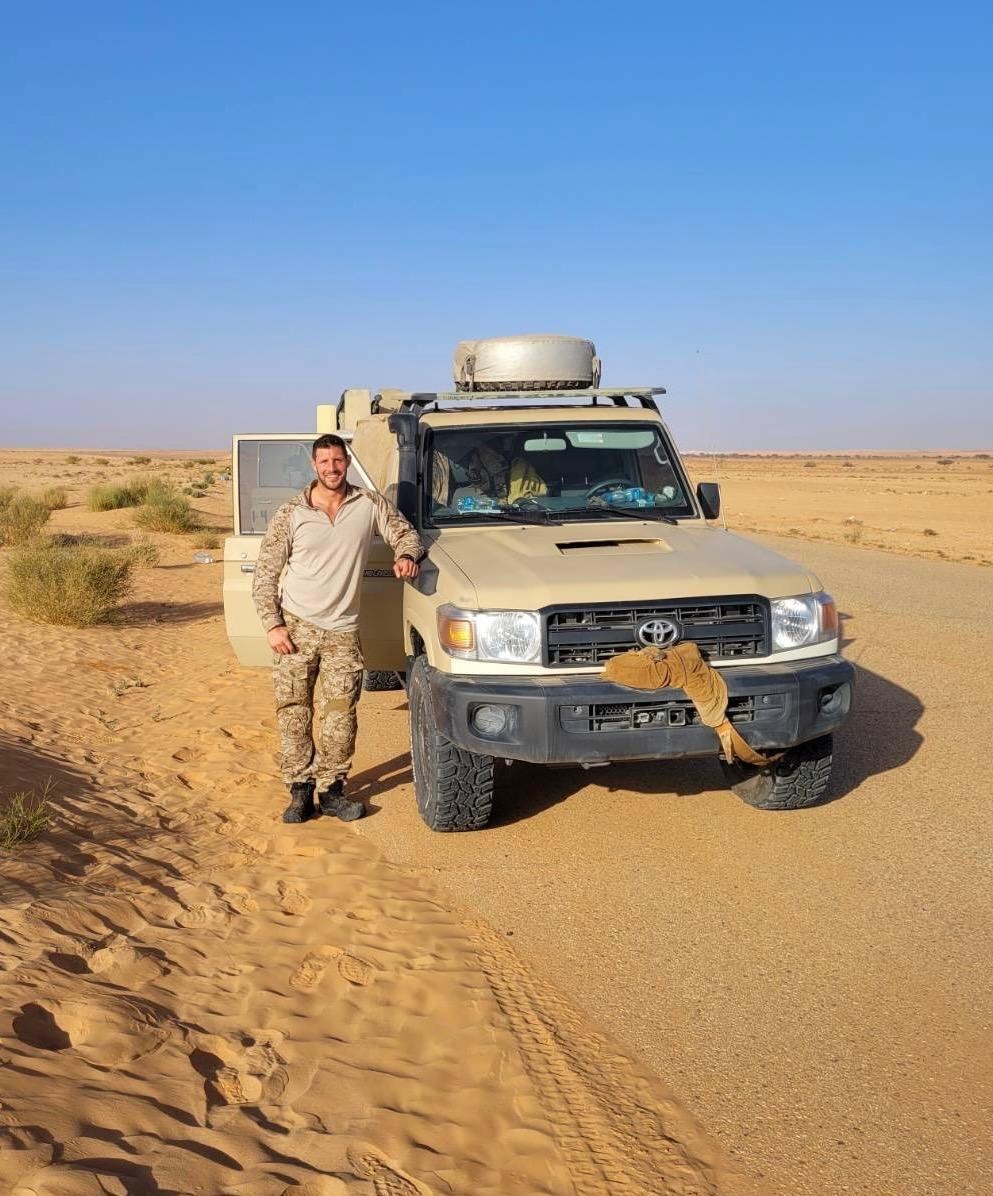
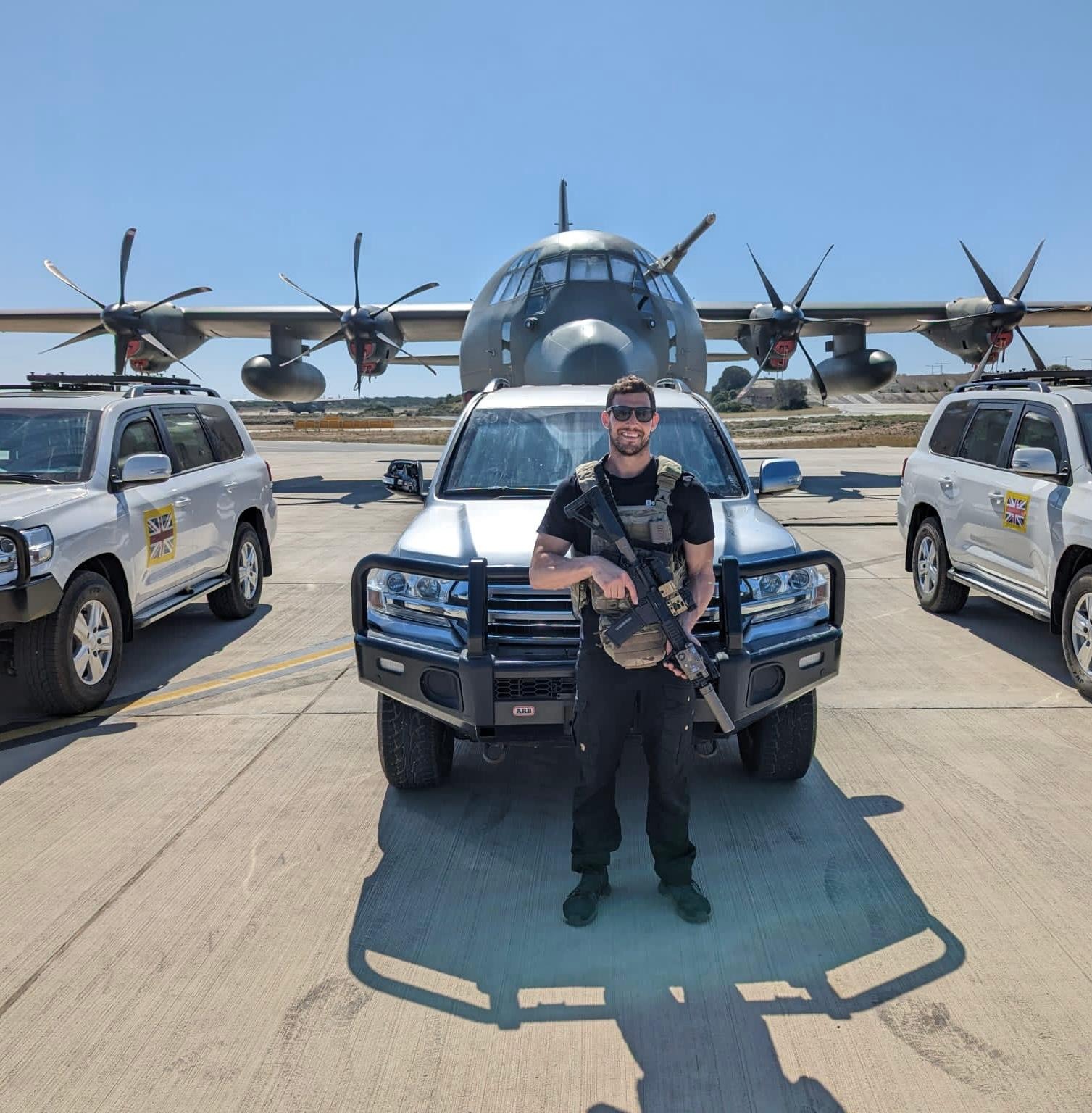
I loved it. I joined the Royal Marines in 2014 and later moved into Special Forces as a communicator. That opened the door to a completely different level, more responsibility, more complexity, and more exposure to real-world operations. You're pushed physically and mentally, often in tough conditions, really tests you. But it's incredibly rewarding, and you build a level of resilience and camaraderie that stays with you for life. 

What inspired you to join the military in the first place?

After school, I didn't really know what I wanted to do. I went to university and I was focused on rugby, thinking I might pursue it professionally or become a PE teacher. But eventually I realised that path probably wasn't going to take me where I wanted to go. I was deciding between the police and the military, and after speaking to people in both, the military felt like it offered more opportunity and challenge. What really drew me in was how hard it was—the standards, the training, the sense that it was something worth pushing yourself for. 


How did your career evolve from there? 

Once I was in, I wanted to keep challenging myself. I moved into Special Forces because I felt like the next challenge. That transition completely changed things, suddenly you're working at a different level and dealing with more complex situations. Communications wasn't something I'd initially been interested in, but it turned out to be much more than radios, it was about innovation, adapting technology and solving real problems. That's carried through to what I do now. I've come full circle, still working in a similar space but from a different angle.

Have there been any major challenges that shaped your journey? 

Yes, both personally and professionally. Very early in my career, just after finishing training, my dad was diagnosed with brain cancer and passed away a few months later. That was a huge turning point. You're at the start of something new, and suddenly everything shifts. It forces you to process things while still moving forward. At the same time, the military doesn't stop. 

Life and work continue, and you have to find a way to keep going. That builds resilience, whether you realise it at the time or not. 

How did you cope with that period? 

There's no right or wrong way. In environments like the military, you learn to compartmentalise—to focus on what's in front of you when you need to. Routine helps, and so does the people around you. There were other difficult moments too, losing colleagues, seeing how quickly things can change. 

Over time, you don't forget those experiences, but you learn how to carry them. 

What's the most valuable lesson you've learned from those early experiences? 

That the hard work happens when no one's watching. It's the discipline in the background—the effort you put in without recognition, that really shapes you. 

Not the visible moments, but the consistent ones. And also learning how to handle freedom. Coming from a structured environment into one where you're completely responsible for yourself, that's where you either step up or struggle. 

Was there a defining moment where things "clicked" for you? 

Passing Special Forces selection was one of those moments, it was a huge achievement. 

But what stood out even more was what came after. I struggled with imposter syndrome at first. You're surrounded by people you've built up as exceptional, and suddenly you're there among them. 

It takes time to realise you belong. But once that confidence builds, something shifts, you stop looking up and start stepping forward yourself.

What impact did Strathallan School have on you as a person? 

It shaped a lot of who I am. Work ethic, resilience, confidence, those values were built early. It also taught you not to be afraid of failure. You try things, you make mistakes, and you move on from them. That mindset has stayed with me. 

What are your strongest memories of Strathallan? 

The sense of community. Whether it was sport, like Monday night touch rugby, or just being in the house environment, it felt like you were part of something. Even as a day pupil, you felt like you were missing out if you weren't fully involved. There were also great opportunities: rugby tours, exchanges abroad, that gave you experiences beyond the classroom. 

Who has inspired you most along the way? 

Probably my older brother. He's done some incredible endurance challenges: rowing across the Atlantic, cross-country skiing across Canada. Just seeing that kind of drive close to home gives you perspective. We're close in age, and that influence has definitely shaped my mindset. 

What advice would you give to current students? 

Don't be afraid of failure and don't let other people's opinions hold you back. People will always doubt whether you can do something, but someone succeeds so why not you? 

Also, get as many experiences as you can. Travel, try things, take opportunities. Those experiences often matter just as much as qualifications. 

What skills matter most today?

Confidence and adaptability. 

You won't always be right, and you won't always be the best, but being able to accept that, learn, and move forward is crucial. It's about stepping up, even when you're unsure.

What does success mean to you now? 

It's completely changed. When you're younger, it's about achievement: winning, passing, proving yourself. 

Now, it's about life outside of work. I've got kids, and success is about being there for them, giving them opportunities, and building a life balance that works.

What are you most proud of? 

My kids. 

Everything else comes after that. But career wise - the KCVS for operations in Africa 2022.


Fraser's journey is one defined by challenge, resilience, and perspective. From elite military environments to a global career in technology, his path has never been linear—but it has always been purposeful.